Categories
History

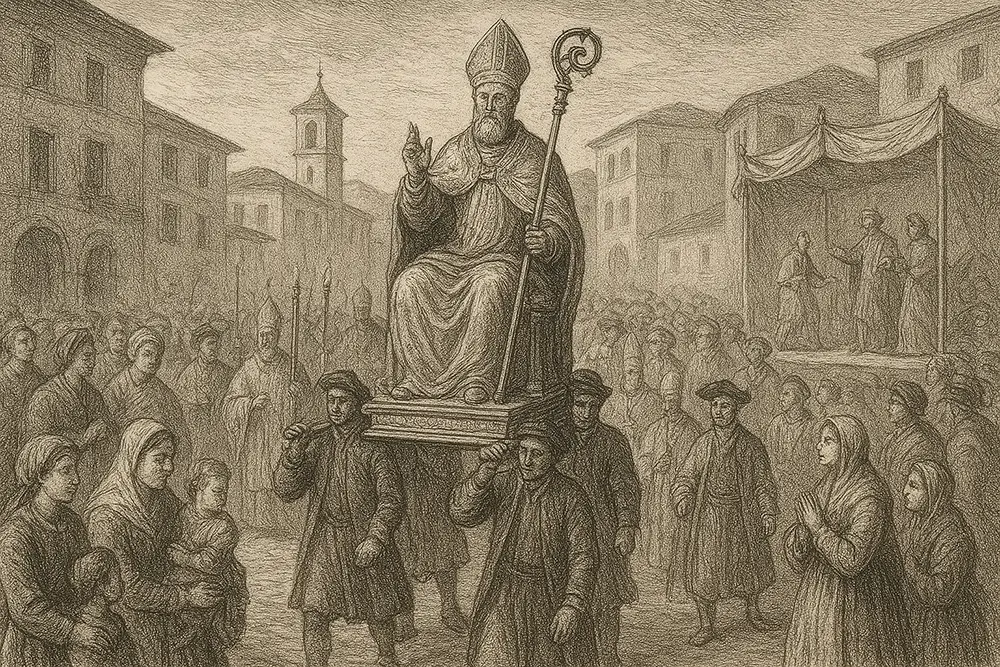
The Ancient Festivities of St. Mark in Atina in the 18th Century

In the heart of the Comino Valley, Atina has always guarded its religious traditions with devotion. Among these, the celebrations in honour of the patron saint St. Mark, on 28 April, and those dedicated to St. Secondinus, on 16 May, represented the most eagerly awaited moment of the year in the 18th century. The patron saints' days were not only events of faith, [...].
Categories
History

Origin of the Church of Santa Maria in the tradition of Atina

Atina, in the heart of the Comino Valley, boasts a unique urban layout, the result of centuries of history. It began with the splendid late-Roman domus and continued into the Middle Ages, when the compact historic core took shape, with defensive walls, narrow alleys, and houses leaning against each other. Over time, the continuous change of the urban layout led to the progressive isolation of the [...].

Categories
History

St Mark's Esplanade and the Temple of Saturn: Between Myth, History and Faith

There is a point in Atina where time seems suspended, a place where legend, faith and history still coexist: it is the Spianata di San Marco, the wide natural terrace that joins the heart of the village to Mount Santa Croce, now called Colle. The name itself evokes ancient suggestions: here, over the centuries, pilgrims have walked [...]

Categories
Traditions

December in Atina: Christmas traditions and popular customs

December, in Atina, was a month full of suggestions, expectations and ancient rituals that united the community in the sign of faith, family and sharing. The cold was bitter, often accompanied by snow, and night frosts put a strain on the work of the farmers. Crops were scarce, but those who managed to preserve cabbages [...]

Categories
Traditions

November in Atina: memory, rituals and autumn harvests

Commemoration of the dead: between ritual and solidarity in Atina In November, life in the village of Atina was marked by two fundamental moments: the commemoration of the dead and the agricultural work typical of mid-autumn. In fact, the main feast of the month was the “degl’ muort’, when the entire community went to the cemetery area to celebrate the [...]

Categories
Traditions

August in Atina: agricultural traditions and Feast of the Assumption

August between fields, harvests and popular festivals in Atina In Atina and the Comino Valley, the month of August was traditionally one of the most intense and tiring months of the year for those who worked in the countryside. The summer was in fact a period dense with agricultural commitments, in which there was not a day that was not dedicated [...]

Categories
Traditions

October in Atina: San Marco, the Grape Harvest, and Traditions

October in Atina: a month of faith, work and conviviality In Atina, the month of October was marked by two great moments: the feast of St Mark and the grape harvest. The community lived intense days, in which religious traditions, peasant rites, preparations for winter and conviviality around the products of the land were intertwined. The feast [...]

Categories
Traditions

September Traditions in Atina: Harvests and Flavours

September in Atina: time of harvests and conviviality The month of September, in Atina and the Comino Valley, has always been a time of work in the fields but also of conviviality. With the end of summer, beans and cobs were harvested, provisions were prepared for the winter, and the community was celebrated through rituals [...].

Categories
History

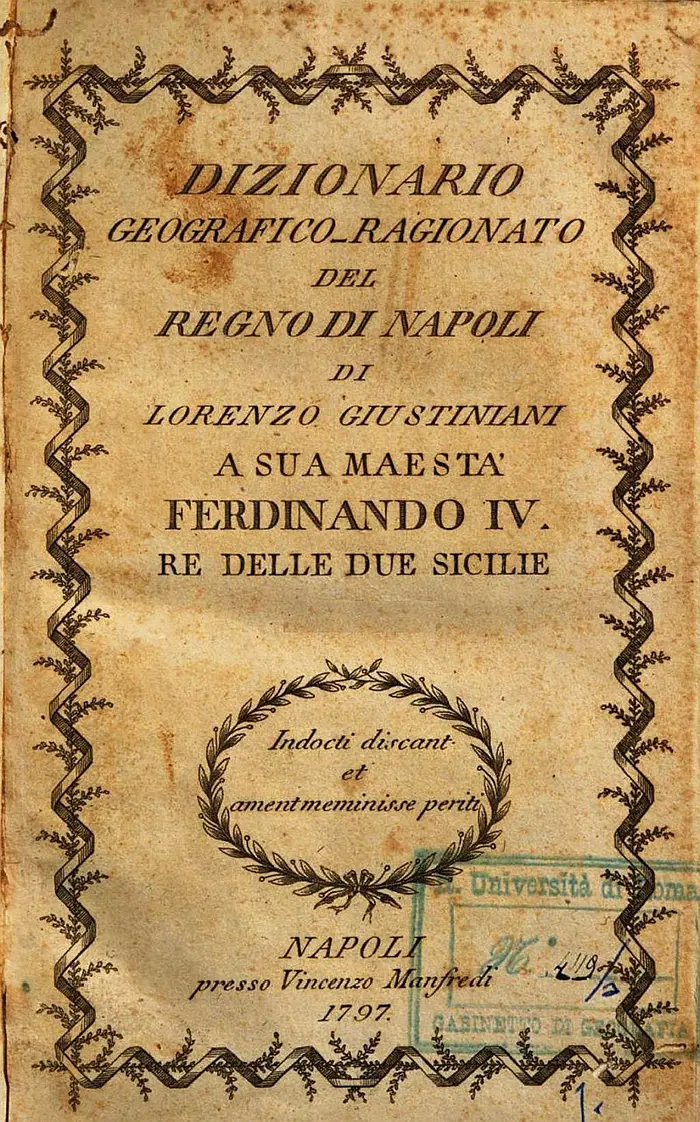
Atina in the Geographical-Regional Dictionary of the Kingdom of Naples (1797)

ATINA, a city in the Terra di Lavoro in the diocese of Aquino, 8 miles from Sangermano. The era of its foundation is completely unknown due to its remote antiquity. What our historians, and especially its citizen Fr. Bonaventura Tauleri, have said about its founder is nothing but a mass of insipid rubbish, [...].

Categories
Churches

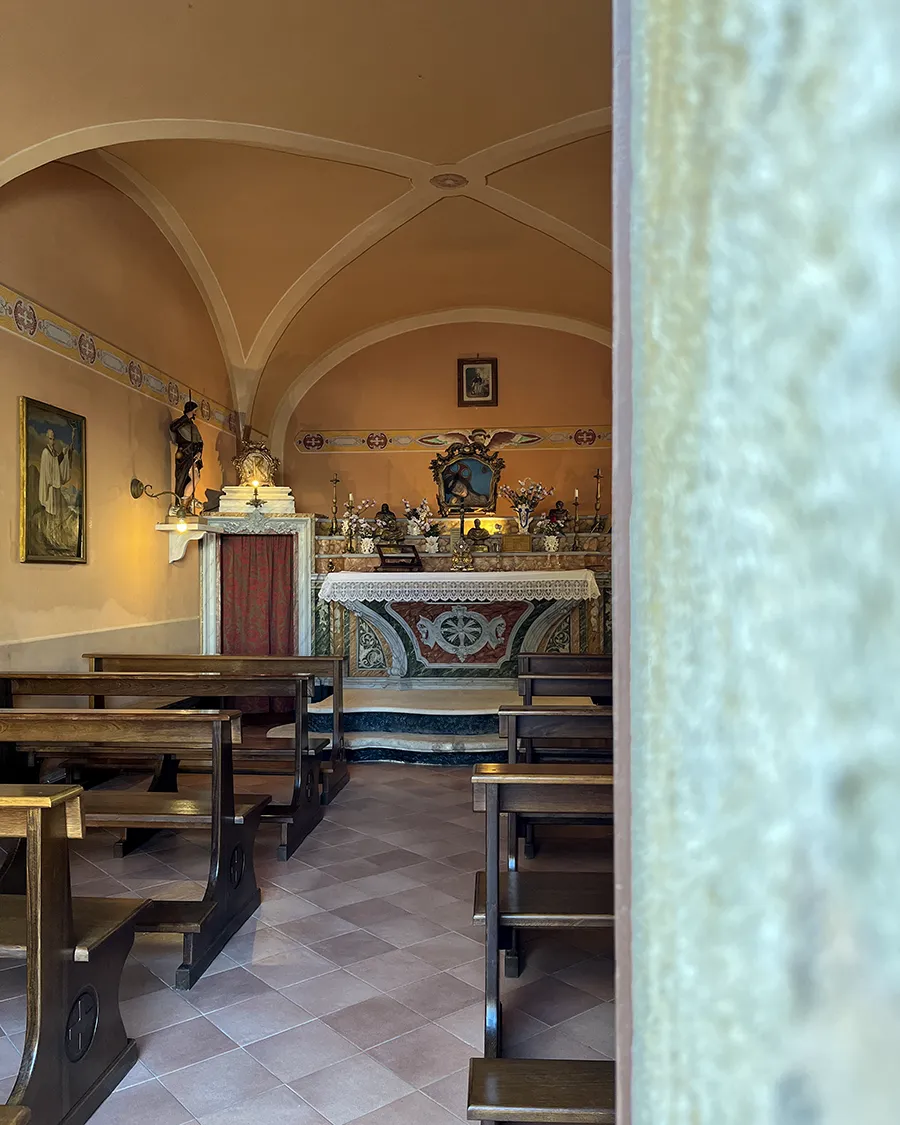
Chapel of San Rocco

The Church of San Rocco was erected in 1495 at the behest of Provost Marcantonio Papa and endowed with a confraternity. Situated outside the city walls of Atina, in 1703 it held the image of the Madonna of Altomare. In 1722, at the back, it appeared surrounded by a small vegetable garden owned by the brothers priests Francesco Antonio, Gio. Antonio and [...].