Categories
Historic Buildings Places

The Prepositural Palace of Atina

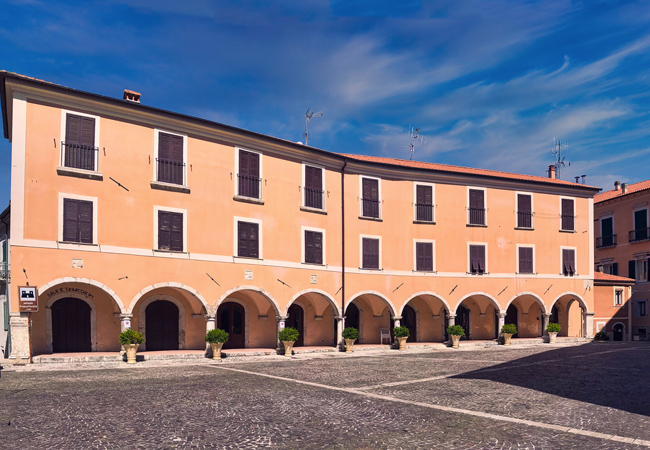
The Palazzo Prepositurale, known as “Le Pennate”, is striking for its elongated, slightly curved shape, dominated by the austere portico covered by cross vaults and defined by eight reused Roman columns and two outer quadrangular pillars. Together with Palazzo Cantelmo and the façade of the Cathedral S. Maria Assunta, it defines Piazza Marconi (formerly Piazza San Giovanni) and [...].
Categories
History

Urban development in Atina

This infographic map shows the urban development of Athens, from the Middle Ages to the 20th century. Blue: Middle Ages (13th–14th centuries). Green: Renaissance (15th–16th centuries). Pink: 17th–18th centuries. Yellow: 19th–20th centuries.

Categories
History

Urban development in Athens

This map shows the pattern of urban development in the historic centre of Athens, from the Middle Ages to the 20th century. Blue: Early Middle Ages (13th–14th centuries). Green: Renaissance (15th–16th centuries). Pink: 17th–18th centuries. Yellow: 19th–20th centuries.

Categories
Illustrious personalities

The Visocchi of Atina in the “Biographical Dictionary of Southern Italy”.”

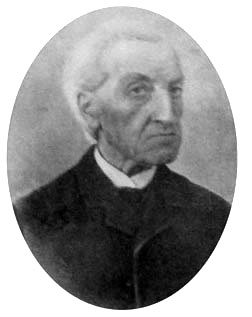
A social and political rise similar to that of the Bosco family was achieved within a few decades in the province by the Visocchi family from Atina. Pasquale Visocchi Pasquale Visocchi (1817-1908) belonged to a rich and influential family of landowners in the province. A wealthy landowner, in 1845 he opened a medium-sized paper mill in Atina, which in 1870 occupied 160 [...].

Categories
Uncategorized

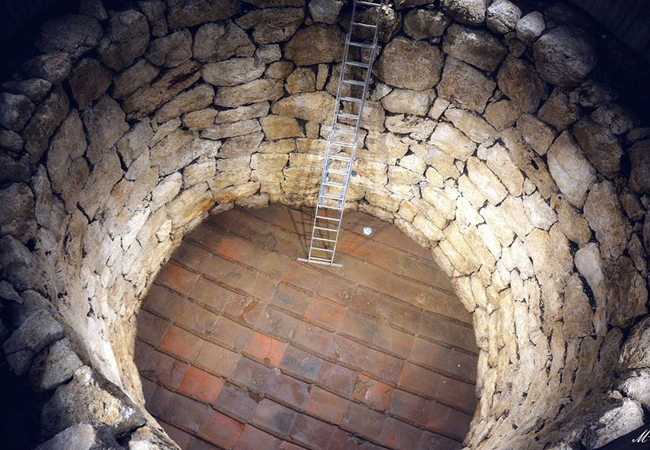
The large polygonal opera cistern in Piazza Garibaldi

The urban structure of Atina originated in the Middle Ages and is centred on the Church of the Assumption built on the temple of Saturn and the palace built by the Dukes of Cantelmo in the 14th century on a pre-existing fortress; this first urban core was served by three main roads that are still connected by narrow staircases [...].

Categories
History

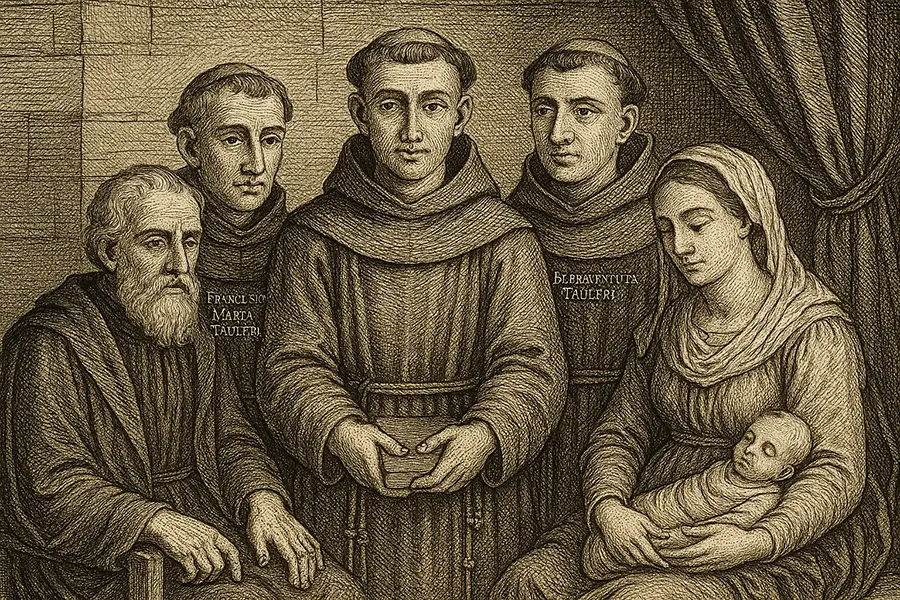
The Tauleri family of Atina

The Tauleri family of Atina, now extinct, produced many distinguished men in the 17th century. The best known was undoubtedly Father Gian Battista Tauleri, who rose to the highest offices within the Franciscan Order. He served as Provincial Minister for a second term and as Procurator General of the Order of the Observant Friars Minor. In 1691, he served as Apostolic Commissioner of the «Propaganda Fide» in the East, […]

Categories
Places

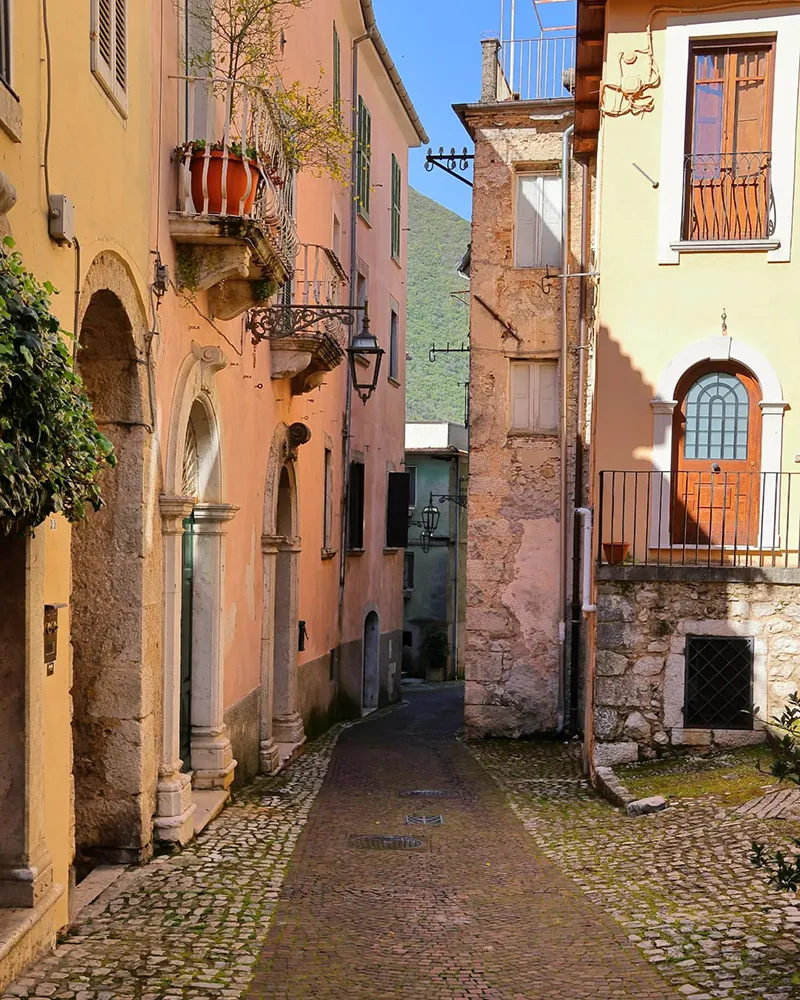
Planca Street

This city street axis is probably named after Gneus Plancius of Athens. In 58 BC, while he was quaestor in Macedonia, he hosted his fellow countryman Marcus Tullius Cicero, who had gone into exile there. A few years later, Cicero returned the courtesy by pronouncing the oration Pro Plancio in defence of the Atinates, to whom his defeated rival contested the election to [...].

Categories
History

S. Biagio Saracinisco, The Necropolis of Monte Santa Croce

The necropolis extends over a series of limestone hills at the foot of Monte Santa Croce (San Biagio Saracinisco) in a location popularly referred to as Ominimorti.

Categories
History

Casalvieri, the Sanctuary of Pescarola

Casalvieri, in the hamlet of Casale Pescarolo: over the years, agricultural work has brought to light a large number of clay votive offerings, mixed with fragments of black-glazed pottery, bricks and coins, concentrated around a now-abandoned farmhouse.

Categories
History

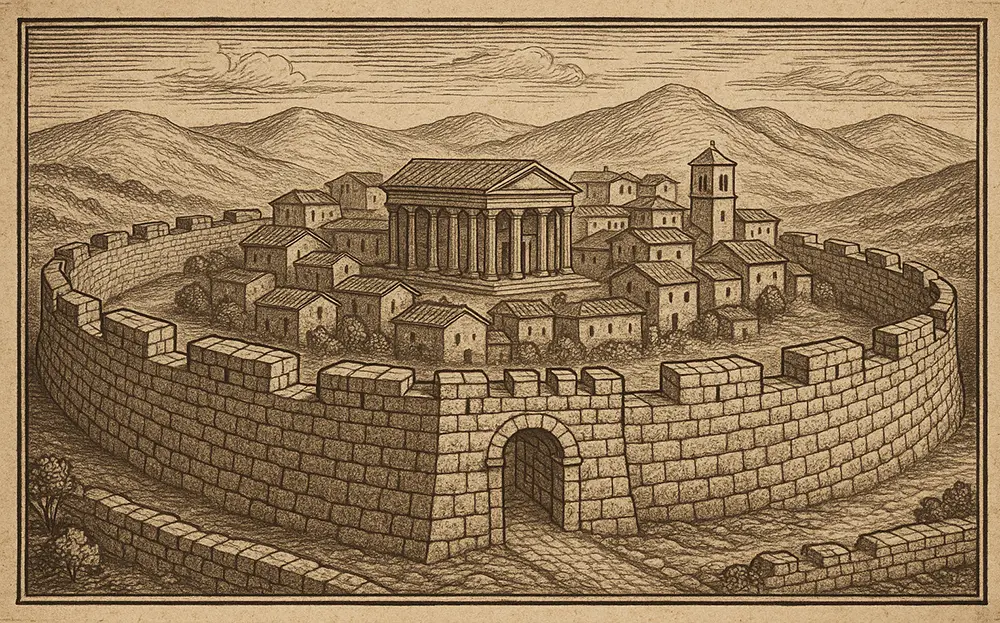
The defensive system of Atina Sannita

The recent discovery of a previously unknown section of wall by two local researchers, Vincenzo Orlandi and Luciano Caira, has led to a reassessment of the polygonal walls of Atina, resulting in the identification of an extremely extensive walled circuit. Technical analysis of this has made it possible to distinguish two construction phases: a pre-Roman phase featuring polygonal blocks of I and […]